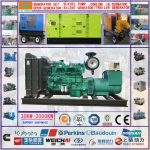
- Actief sinds: 21 november 2024
- https://www.lkpowerplant.com/wp-content/uploads/2024/05/5.webp-3.jpg
Uitgebreide omschrijving
Diesel Generator for Compliance Testing A Comprehensive Guide
Introduction
In today's fast-paced world, compliance testing has become an essential part of ensuring the safety and reliability of various products and systems. Diesel generators play a crucial role in compliance testing by providing a reliable source of power for conducting various tests. In this article, we will explore the importance of diesel generators in compliance testing, their key features, and how they are used in different industries.
Industrial diesel generator for data centers of Diesel Generators in Compliance Testing
Compliance testing involves evaluating the performance of products or systems to ensure they meet specific regulatory standards or industry requirements. This testing is essential to guarantee the safety, reliability, and quality of products before they are released into the market. Diesel generators are widely used in compliance testing due to their ability to provide a stable and consistent power supply, especially in remote locations or areas with unreliable grid power.
One of the primary reasons why diesel generators are preferred for compliance testing is their robustness and reliability. Diesel engines are known for their durability and ability to operate continuously for extended periods, making them ideal for powering testing equipment that requires a constant power source. Additionally, diesel generators can quickly ramp up or down their power output to meet the dynamic requirements of different tests, ensuring that the testing process runs smoothly without any interruptions.
Key Features of Diesel Generators for Compliance Testing
Diesel generators come with several key features that make them well-suited for compliance testing applications. Some of the most important features include:
1. Portable diesel generator for outdoor education programs and Capacity: Diesel generators are available in a wide range of power outputs, from a few kilowatts to several megawatts. This flexibility allows them to meet the power requirements of various compliance tests, from small-scale laboratory tests to large-scale field tests.
2. Fuel Efficiency: Diesel engines are known for their high fuel efficiency, which is a crucial factor in compliance testing where continuous power supply is essential. Diesel generators can operate for long hours on a single tank of fuel, reducing the need for frequent refueling and minimizing downtime during testing.
3. Low Maintenance Requirements: Diesel generators are relatively low-maintenance compared to other types of power generation systems. With proper care and regular servicing, diesel generators can operate for years without major issues, making them a cost-effective choice for compliance testing applications.
4. Portable and Compact Design: Many diesel generators are designed to be portable and compact, making them easy to transport to different testing locations. This portability is especially beneficial for compliance testing projects that require on-site testing in remote or challenging environments.
5. Emissions Compliance: Modern diesel generators are equipped with advanced emission control technologies to meet strict environmental regulations. By ensuring compliance with emission standards, diesel generators can be used in compliance testing without causing harm to the environment.
Applications of Diesel Generators in Compliance Testing
Diesel generators are used in a wide range of industries for compliance testing purposes. https://www.lkpowerplant.com/product/ of diesel generators in compliance testing include:
1. Automotive Industry: Diesel generators are used in the automotive industry to power testing equipment for vehicle emissions testing, performance testing, and durability testing. Compliance testing ensures that vehicles meet regulatory standards for emissions, safety, and performance before they are sold to consumers.
2. Aerospace Industry: Diesel generators play a critical role in compliance testing for aircraft components and systems. They are used to power test rigs for testing landing gear, avionics systems, engines, and other critical aircraft components to ensure they meet stringent safety and performance standards.
3. Telecommunications Industry: Diesel generators are essential for compliance testing of telecommunications infrastructure, such as cell towers, data centers, and communication networks. These generators provide backup power during compliance testing to ensure uninterrupted operation of critical communication systems.
4. Energy Industry: Diesel generators are widely used in the energy industry for compliance testing of power generation equipment, such as turbines, transformers, and switchgear. These generators provide a reliable power source for conducting tests to verify the efficiency, reliability, and safety of energy infrastructure.
5. Environmental Testing: Diesel generators are used in environmental testing laboratories to simulate harsh environmental conditions, such as extreme temperatures, humidity, and vibrations. These generators power environmental chambers and test equipment to evaluate the performance of products under different environmental conditions.
Conclusion
Diesel generators play a crucial role in compliance testing by providing a reliable and stable power source for various testing applications. Their robustness, fuel efficiency, low maintenance requirements, and portability make them well-suited for compliance testing in industries such as automotive, aerospace, telecommunications, energy, and environmental testing. By using diesel generators for compliance testing, organizations can ensure that their products and systems meet regulatory standards, ensuring the safety, reliability, and quality of their offerings.